




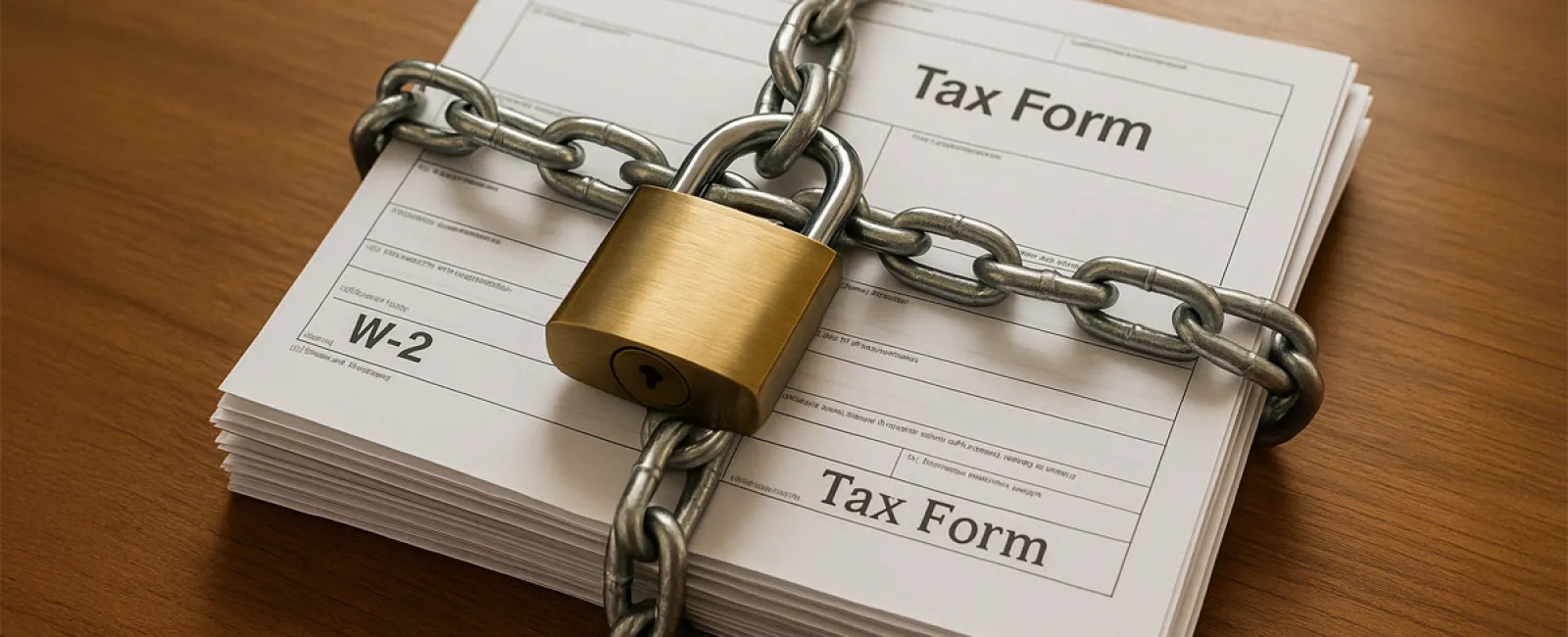
February marks the start of the intense tax season. As accountants get busier and bookkeepers scramble through documents, everyone's focus shifts toward W-2 forms, 1099s, and crucial deadlines.
But there's a hidden challenge that doesn't appear on any calendar: the biggest tax season headache often isn't a tax form — it's a scam.
One particularly common scam arrives early, before April, targeting small businesses with a deceptively simple and believable trick. It might already be lurking in someone's inbox.
The W-2 Scam Explained: What You Need to Know
Here's how the scam unfolds:
Someone in your company—usually in payroll or HR—receives an email that appears to come from the CEO, owner, or top executive.
The message is brief and pressing:
"Hey, I need copies of all employee W-2s for a meeting with the accountant. Please send them over ASAP; I'm swamped today."
It seems legitimate. The tone matches the rush of tax season, the urgency feels genuine, and the request sounds reasonable.
So, the employee complies and sends the W-2 forms.
But the email isn't from the CEO — it's from a fraudster using a spoofed address or a look-alike domain.
Now, the criminal has full access to every employee's:
• Legal name
• Social Security number
• Home address
• Salary details
All the data needed to commit identity theft and submit false tax returns before your employees can.
Consequences of Falling for the Scam
Typically, victims discover the fraud when:
An employee files their tax return but it's rejected with a message: "Return already submitted for this Social Security number."
Someone else already filed under their identity, claiming their refund and cashing it.
Your employee then faces the arduous task of dealing with the IRS, credit monitoring services, identity theft protection, and months of paperwork—all due to a fraud they unknowingly enabled.
Imagine this multiplied across your whole workforce. Then envision the challenge of assuring your team that their personal information was compromised because of a fraudulent email.
This problem extends beyond security—it undermines trust, causes HR complications, opens the door to lawsuits, and damages your company's reputation.
Why This Scam Is So Effective
This isn't a clumsy phishing attempt from a foreign prince. It's crafted to trick even cautious employees because:
The timing is perfect. W-2 requests in February are expected, so no alarms go off.
The request is reasonable. Unlike suspicious asks for money transfers or gift cards, W-2 forms are routinely shared during tax season.
The urgency feels normal. A boss asking for something "ASAP" in a busy office is common.
The sender appears authentic. Scammers research their targets, know the CEO's or accountant's names, and mimic their email styles carefully.
Employees want to be helpful and trust their leaders, so urgency often outweighs verification.
How to Shield Your Business from This Scam
The good news is, this scam is preventable. Protection relies more on smart policies and company culture than on advanced technology.
Enforce a strict no W-2s sent via email policy. Absolutely no exceptions. Sensitive payroll documents must NEVER leave your company through email attachments. If someone requests them by email—even appearing as your CEO—the correct reply is an immediate "no."
Confirm all sensitive requests through a separate channel—whether a phone call, in-person conversation, or secure chat. Use existing contact information, not reply phone numbers or emails provided in the suspicious message. This quick step takes just 30 seconds but can prevent months of crisis management.
Hold a brief, focused tax-season security meeting now, not later. Educate payroll and HR staff with clear examples of what to watch for and precise response procedures. Awareness is an affordable yet powerful defense.
Secure payroll and HR systems by implementing multi-factor authentication (MFA) on every tool storing or accessing employee data. MFA acts as the final barrier if login details are compromised.
Foster a verification-first culture that applauds employees who double-check suspicious requests instead of penalizing them for caution. Creating an environment where questions are encouraged leaves scammers no place to operate undetected.
These five straightforward rules are easy to apply immediately and robust enough to stop the initial wave of attacks.
Looking Beyond: The Wider Threat Landscape
The W-2 scam is just one of many threats during tax season.
Between now and April, prepare for a surge of tax-related attacks, such as:
• Fake IRS notices demanding immediate payment
• Phishing emails disguised as tax software updates
• Spoofed messages appearing to come from your accountant containing harmful links
• Fraudulent invoices masking as legitimate tax expenses
Cybercriminals exploit tax season's fast pace and distracted atmosphere, making suspicious financial requests seem normal.
Businesses that avoid these pitfalls aren't lucky—they're prepared with firm policies, employee training, and systems designed to detect suspicious requests before they become crises.
Ready to Protect Your Business?
If you've already established strong policies and your team can spot risks, you're ahead of most small businesses.
If not, take action now, before the first scam strikes.
For a comprehensive review, book a 15-minute Tax Season Security Check, where we'll assess:
• Payroll and HR system access and multi-factor authentication
• Your W-2 verification processes
• Email protections that block spoofed messages
• The key policy adjustment most companies overlook
If this doesn't describe your company, great! But you might know another business that could benefit from this advice. Share this article with them—it could save them from costly trouble.
Click here or give us a call at 720-449-3379 to schedule your free 15-Minute Discovery Call.
Because tax season is challenging enough without the added burden of identity theft.


